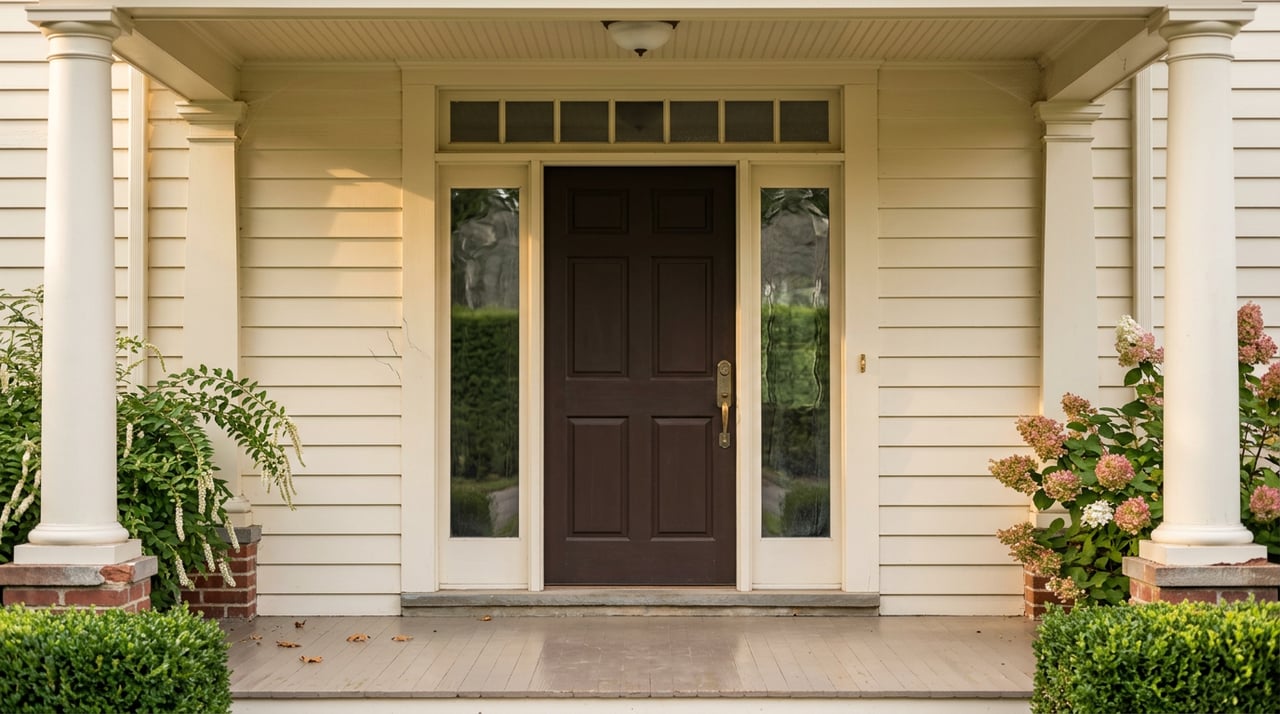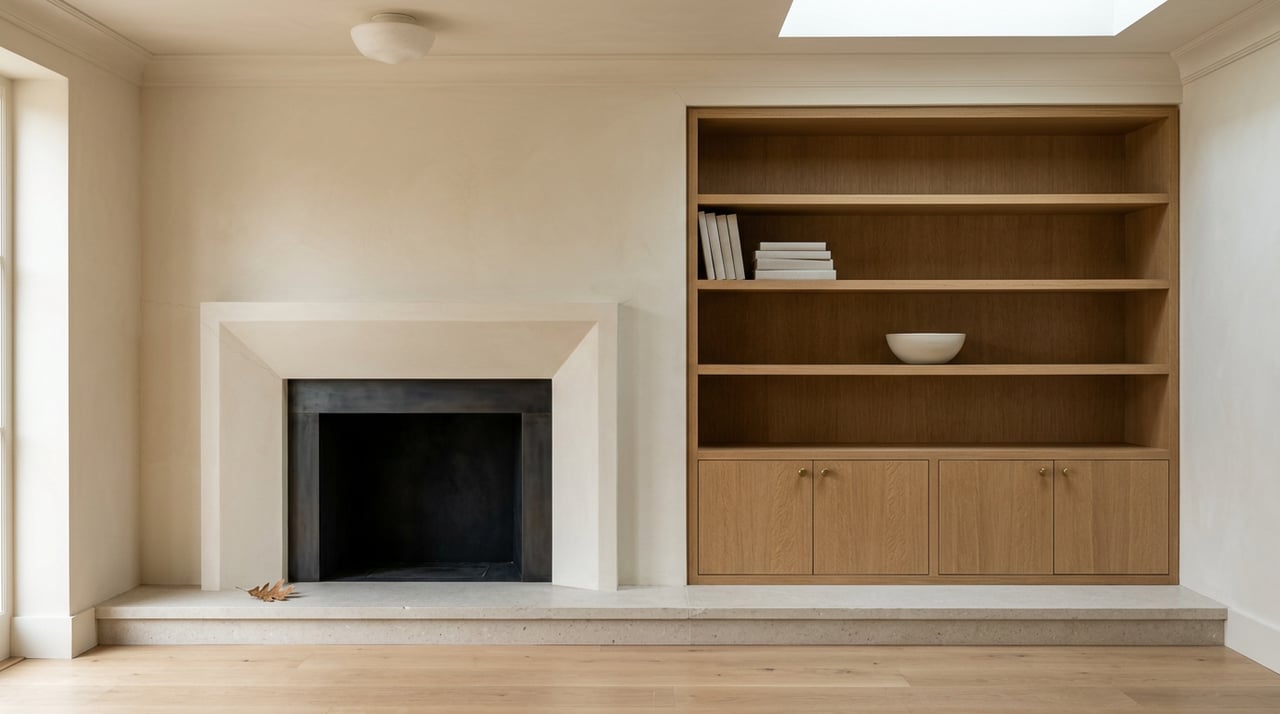
On Robert E. Lee Lane in Brentwood Hills, a new construction home closed in 2024 for $3,256,825. It measured 6,482 square feet on a 1.93-acre lot, working out to about $502 per square foot. In that same trailing twelve months, three original-vintage homes on the same kind of large lots in the same neighborhood sold for between $975,000 and $1,050,000. Average those four sales together and you get $1,570,456. The median tells a different story: $1,025,000.
That gap is not a rounding error. It is the entire problem with pricing an established home in Brentwood right now, and it is the reason a seller who anchors to a neighborhood-wide average is almost always going to price wrong, in one direction or the other.
The average that isn't measuring anything real
Averages work when the underlying sales are similar enough to blend. In a neighborhood where every closing is a variation on the same product, that math holds. In Brentwood Hills, it doesn't, because the four sales in that trailing-twelve-month window weren't four versions of the same thing. Three were mid-century ranch and split-foyer homes sold largely for their land and location. One was a from-scratch custom build. Averaging them together produces a number that describes no actual house.
This matters because "average sold price" is the first thing most sellers see when they start researching what their home might be worth, and it is the number most likely to set an unrealistic anchor. A seller with an original 1960s ranch who sees a $1.57 million average for their street is going to expect a number the resale market will not support. A buyer shopping that same average is going to assume every home on the street is priced at new-construction levels and pass on homes that are, in fact, priced fairly for what they are.
Three sales, three different markets
Brentwood's older, large-lot neighborhoods aren't really single markets. They're at least three markets operating on the same streets. In Brenthaven, where lot sizes in closed sales over the past year clustered between 0.8 and 1.1 acres, price per square foot on those closings ranged from $289 to $644. The low end reflects larger original homes bought for their land value, the ones a builder is pricing as a future teardown. The high end reflects newly built custom homes with premium finishes. A third tier, luxury custom homes north of $5 million, sits above both.
Here's roughly how that breaks down when you separate the tiers instead of blending them:
| Segment | What's actually being sold | Typical signal |
|---|---|---|
| Original resale | 1960s-90s ranch or split-foyer on a large lot | Priced near or below land value; buyer may renovate or hold |
| Teardown and rebuild | Same original home, bought for the lot | Price reflects acreage and buildability, not house condition |
| New custom construction | Home built after teardown or on remaining raw land | Price reflects finish level and current construction cost |
A seller who doesn't know which column their house falls into is negotiating blind. An original home in solid, livable condition on a smaller or oddly shaped lot competes in the first column. The same style of home on a full acre with good tree cover and easy buildability competes in the second column, whether or not the seller ever intended it to be torn down.
What a teardown buyer is actually pricing in
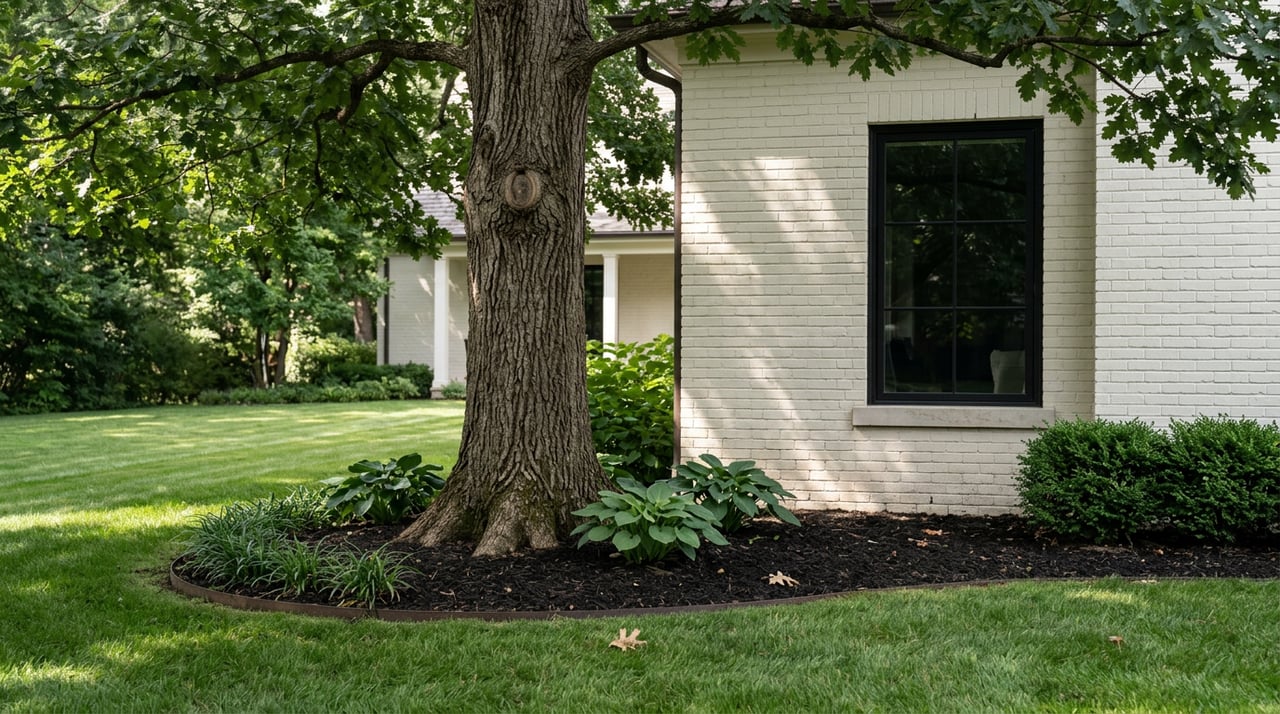
Buyers shopping the teardown tier aren't evaluating your kitchen. They're running a land calculation: lot size, buildable footprint, and site costs, then backing into what they can pay for the dirt underneath your house. One line item in that calculation that often catches sellers off guard is Brentwood's tree preservation requirement. The city's zoning ordinance requires any newly built or rebuilt homesite to carry a minimum of 25 caliper inches of trees per acre before a certificate of occupancy is issued, with no single lot required to exceed 75 caliper inches. A builder eyeing your heavily wooded lot has to plan around that requirement, either preserving qualifying existing trees during construction or paying to replant. A lot that's already been cleared, or one with only ornamental landscaping, is worth less to that buyer than a wooded acre where mature trees can be protected and counted toward the requirement.
That single ordinance is part of why lot condition, not house condition, drives price in the teardown tier. A seller who spent money on interior renovations but let the tree canopy thin out may have improved the wrong asset.
Why some streets see more of this than others
This segmentation isn't spread evenly across Brentwood. Infill teardown activity has been concentrated in specific corridors, including the areas around Granny White Pike, Meadow Lake, and Bell Road, alongside the older large-lot sections of Brentwood Hills and Brenthaven. Meanwhile, land for genuinely new construction, meaning raw acreage rather than a rebuilt lot, is getting harder to find inside Brentwood's borders. The city is estimated to be more than 85 percent built out, and the remaining larger parcels tend to surface in small numbers along Johnson Road and Sunset Road, often five to twenty acres at a time, a handful of listings a year.
That scarcity is exactly why teardown value keeps climbing in the older neighborhoods. When raw land runs out, builders turn to lots that already have a house on them and treat the house as a cost to remove rather than an asset to preserve. If your neighborhood sits inside one of these corridors, or backs up to one, your buyer pool includes people who will never set foot past your entryway before making an offer.
Figuring out which tier your house is actually in
Before you set a list price, walk through these questions with the same rigor a builder would apply to your lot:
- What is your actual lot size and shape, and does it meet the minimum for a new build under current setback and lot coverage rules?
- Is your tree cover mature enough and positioned well enough to help satisfy the caliper-inch requirement, or would a builder need to replant most of it?
- Has your home been substantially updated, or does it still carry original systems and finishes from its build era?
- Are recent sales on your specific street splitting the way Brentwood Hills and Brenthaven have, with a wide gap between original resale prices and new construction prices?
- Is your street inside or adjacent to one of the active infill corridors, or is it in a more built-out subdivision where teardown activity is rare?
If the answers point toward the teardown tier, your comps should be other teardown-tier lots, not the polished new build three doors down. If they point toward genuine resale value, your marketing should lean into livability and condition rather than competing on a per-square-foot basis you can't win.
Setting a price that matches reality
Once you know your tier, pricing gets more honest.
- Pull comps only from within your tier, not the whole street or subdivision.
- If you're in the teardown tier, price against land value and lot characteristics, and be prepared for offers from builders and investors alongside traditional buyers.
- If you're in the resale tier, invest in condition and presentation, since that's the value a buyer in this column is actually paying for.
- If you're unsure which tier applies, get a walk-through from someone who prices all three types weekly, because a single wrong assumption here can mean leaving five or six figures on the table in either direction.
A few questions worth asking before you list
Does a wooded lot always sell for more in the teardown tier? Not automatically. It depends on whether the tree cover can realistically help satisfy the city's replanting requirement or whether it needs to be cleared anyway for the footprint a buyer wants to build.
Should I renovate before selling if I'm in an active teardown corridor? Usually not extensively. If your home is likely to be priced against land value, renovation dollars often don't return proportionally, since the buyer isn't paying for your finishes.
How do I know if my street is seeing this kind of activity? Look at recent closed sales on your specific street, not just your zip code. A wide spread between the lowest and highest price per square foot in the same twelve-month window is the clearest sign your street has split into multiple tiers.
If you're weighing how to price a home in one of Brentwood's established neighborhoods, this is exactly the kind of street-level read that a general market report won't give you. Cherri Nolan works this market daily, from original ranch resales to full teardown rebuilds, and can walk your specific lot and house through this analysis before you set a number. Let's Connect.